
The National Healing Arts Institute Learning Academy
COURSE LISTINGS
A free advanced course for clinicians, practitioners, researchers, and educators who want to evaluate the science, mechanisms, safety, and clinical integration of acupuncture in hypertension care.
Build the evidence-based knowledge and implementation skills to evaluate low-titer group O whole blood (LTOWB) for hemorrhage control across hospital, prehospital, and austere settings.
An advanced, evidence-focused course connecting meditation practices with neural circuits, autonomic regulation, endocrine signaling, molecular pathways, and trauma-informed clinical practice.
An advanced, evidence-focused course for clinicians, researchers, and graduate-level learners who want to evaluate supplements and dietary patterns with greater scientific rigor and clinical responsibility.
Build a rigorous, literature-informed understanding of biomarkers, neuroimaging, disease-modifying therapies, and the precision-medicine future of Alzheimer’s care.
Master advanced methods for analyzing disparities in access to preventive services—and translate rigorous findings into practical policy, clinical, and community solutions
.
Build the advanced skills to measure inequities, uncover their root causes, and design evidence-informed interventions that improve preventive service access across populations and systems.
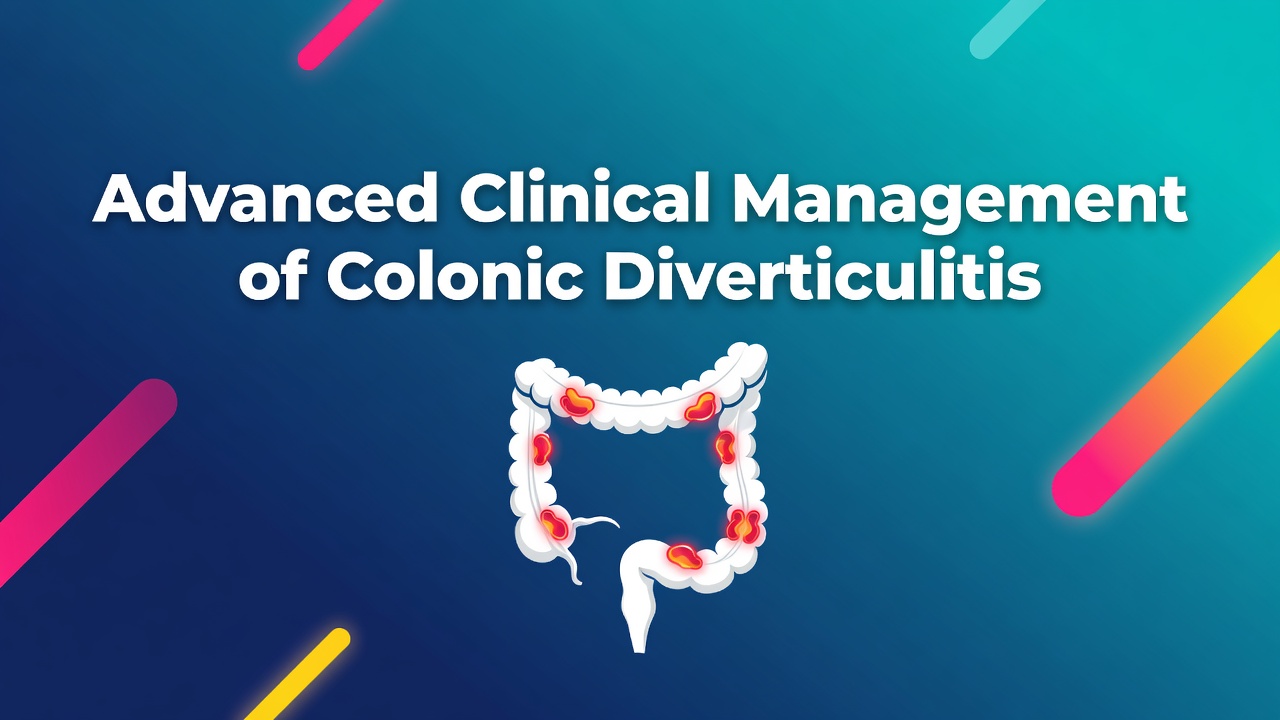
An advanced, practical course for clinicians managing acute, recurrent, chronic, and complicated colonic diverticulitis—from first evaluation through follow-up and surgical referral.
An advanced, practitioner-focused course in trauma theory, neuroscience, somatic regulation, ethical practice, and collaborative care
Build the skills to critically evaluate systematic reviews, pooled outcomes, clinical trials, safety findings, and the future of psychedelic-assisted mental health research.
Master the core principles of cardiovascular anatomy, physiology, assessment, diagnostics, and common cardiac conditions
Explore TCM theory, diagnostic frameworks, treatment principles, and major therapeutic modalities—while learning to communicate clearly, practice safely, and distinguish traditional concepts from current scientific evidence..
Explore contemporary strategies for evaluating and managing blunt and penetrating renal trauma in adults, with emphasis on hemodynamic status, non-operative care, angioembolization, surgical decision-making, and follow-up imaging. Grounded in the 2023 Eastern Association for the Surgery of Trauma practice management guideline and its systematic review, this intermediate-level course translates evidence into structured clinical reasoning.
Develop an evidence-informed approach to caring for adults aged 65 and older who experience traumatic injury. This intermediate course examines trauma center systems, palliative care processes, systematic review methods, and practical strategies for improving outcomes while respecting patient goals and functional priorities.
Develop a structured, evidence-based approach to managing adults with necrotizing pancreatitis, from defining clinical severity and intervention goals to evaluating timing and procedural options. Using GRADE principles and comparative evidence, this course examines why delayed intervention and minimally invasive strategies have reshaped contemporary surgical decision-making.